
Newsletter Subscribe
Enter your email address below and subscribe to our newsletter
Deepseek AI
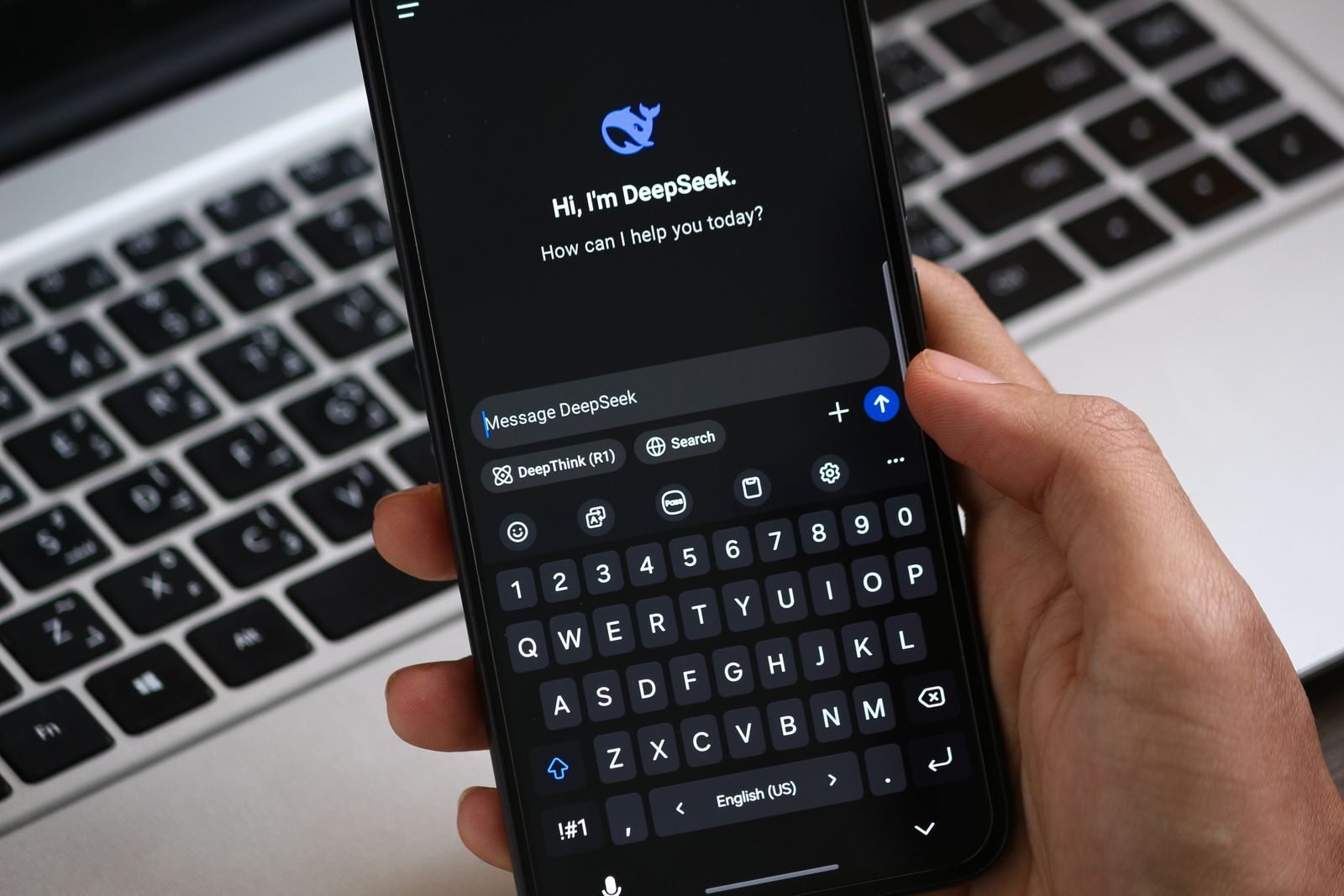
In the rapidly evolving world of AI development, knowing the right techniques can make or break your application. That’s why understanding DeepSeek API Platform Best Practices for Developers is essential for building efficient, secure, and scalable systems.
Whether you’re a beginner or an experienced developer, following best practices ensures your applications run smoothly and handle real-world demands effectively.
Best practices help developers:
When working with platforms like DeepSeek, applying these principles becomes even more important.
Avoid these common pitfalls:
The DeepSeek API enables developers to integrate AI-powered capabilities into applications.
Key features include:
Keep your API keys:
Use separate environments for:
Minimize latency by:
Batch requests when possible to reduce overhead.
Know the API limits to avoid disruptions.
Implement strategies like:
Always check response codes and handle errors gracefully.
Use retry mechanisms with exponential backoff.
Cache frequently used data to reduce API calls.
Ensure cached data stays accurate.
Monitor:
Use logs to identify and fix issues quickly.
Never expose API keys in public code.
Encrypt sensitive data during transmission.
Distribute traffic across servers.
Add more servers to handle increased load.
Test individual components for reliability.
Simulate traffic to test performance under stress.
Maintain backward compatibility.
Keep documentation updated for developers.
Minimize unnecessary API calls.
Monitor usage to control costs.
Design systems in smaller, independent modules.
Use microservices for better scalability.
Switch to backup systems during outages.
Maintain partial functionality instead of failing completely.
Stay updated with API changes.
Continuously improve your system.
Secure keys, monitor performance, handle errors, and optimize usage.
Use caching, reduce requests, and optimize endpoints.
Implement retry logic and proper error handling.
Yes, it reduces API calls and improves speed.
Protect keys and encrypt data.
Use load balancing and horizontal scaling.
Mastering DeepSeek API Platform Best Practices for Developers is essential for building reliable, scalable, and efficient applications. By following these proven strategies, developers can optimize performance, enhance security, and ensure smooth operation under various conditions.
In a competitive AI landscape, best practices are not optional—they are the foundation of success.