即时新闻



Enter your email address below and subscribe to Deepseek AI newsletter
Deepseek AI
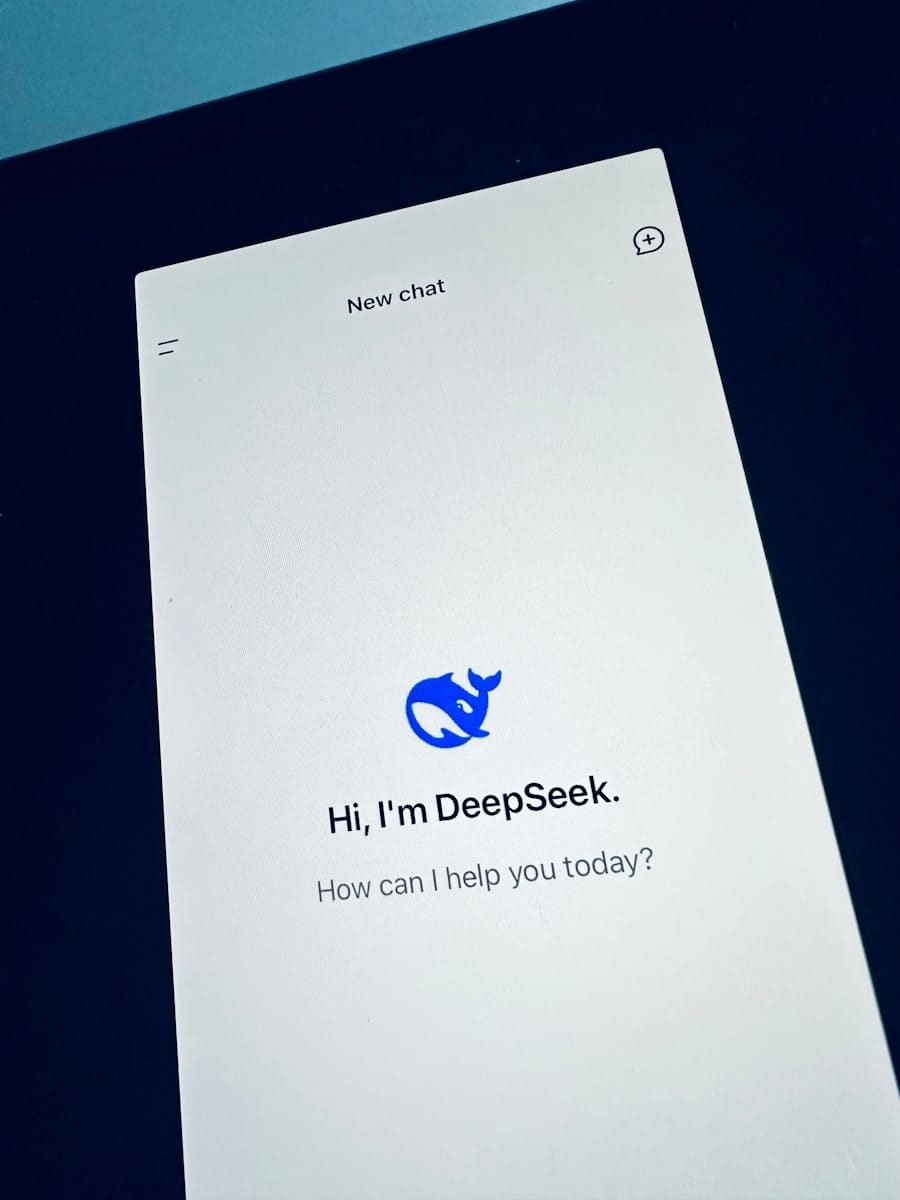
DeepSeek Chat can understand follow-up questions by analyzing conversation context and previous prompts. This guide explains how contextual AI conversations work.
One of the most useful abilities of modern AI chat systems is their capacity to understand follow-up questions.
Instead of repeating the full context every time, users can ask related questions naturally. The DeepSeek 聊天室 DeepSeek 聊天室 system supports this conversational style by maintaining contextual awareness during a session.
But how exactly does this work?
Understanding how AI handles follow-up prompts can help users get more accurate and useful responses.
A follow-up question refers to a prompt that relies on previous conversation context.
For example:
User:
“Explain blockchain technology.”
Follow-up question:
“How is it used in finance?”
The second question only makes sense because the AI remembers the first message.
Without context awareness, the system would not know what “it” refers to.
DeepSeek 聊天室 uses conversation history to interpret new prompts.
When a user sends a new message, the system analyzes:
This allows the AI to maintain continuity across the conversation.
The models powering this system are developed by DeepSeek DeepSeek, which focuses on reasoning-oriented AI architectures.
Here’s a simple example of how the system processes follow-ups.
User prompt:
“Explain neural networks.”
AI response:
A description of neural networks.
Follow-up prompt:
“What industries use them?”
The AI understands that “them” refers to neural networks because the earlier conversation is still part of the context window.
AI chat systems operate within something called a context window.
The context window determines how much conversation history the AI can consider when generating responses.
Within that window, the system can reference:
This allows follow-up questions to feel natural and continuous.
Follow-up capability changes how people interact with AI.
Instead of asking one isolated question, users can explore a topic gradually.
This makes AI chat systems useful for:
Each new question builds on the previous answers.
DeepSeek Chat is particularly effective with several types of follow-ups.
例如
“Can you explain that in simpler terms?”
例如
“What are some real-world examples?”
例如
“How does this compare to another technology?”
例如
“Explain the third step in more detail.”
To improve AI responses, users should structure follow-ups carefully.
Instead of vague follow-ups, include small hints about the topic.
Multiple questions in one prompt can confuse the model.
If the conversation becomes long, restating the topic briefly can improve clarity.
Even though DeepSeek Chat supports conversational context, there are limits.
These include:
Older messages may fall outside the context window during very long conversations.
Vague follow-up questions may lead to incorrect interpretations.
If a conversation changes subjects suddenly, the AI may misinterpret the context.
Understanding these limitations helps users interact with AI more effectively.
Traditional search engines treat each query independently.
AI chat systems like DeepSeek Chat instead maintain conversational continuity.
This allows users to:
The result is a much more interactive experience.
DeepSeek Chat’s ability to understand follow-up questions makes it far more useful than simple question-answer tools.
By analyzing conversation history and maintaining context within a session, the system allows users to explore topics naturally and build knowledge through dialogue.
For research, learning, and technical problem solving, this conversational capability is one of the most valuable features of modern AI assistants.
Follow-up questions are prompts that rely on earlier conversation context rather than repeating the full topic.
DeepSeek Chat analyzes previous messages in the conversation to determine what the user is referring to.
Yes. Within the context window, the system remembers earlier prompts and responses to maintain conversation continuity.
Older messages may eventually fall outside the model’s context window, which can affect how well it understands new follow-up questions.
Yes, especially when the prompts clearly reference earlier information or topics discussed in the conversation.
They allow users to explore topics naturally without repeating information in every prompt.
AI chat systems can maintain conversation continuity, which makes them more interactive than traditional search engines.
Yes. If the question is vague or the conversation changes topics suddenly, the AI may misinterpret the context.
Users can improve results by asking clear questions and referencing earlier topics when necessary.
Context windows allow AI systems to process conversation history and generate responses that consider earlier information.