Deepseek Newsletter Subscribe
Enter your email address below and subscribe to Deepseek AI newsletter
Enter your email address below and subscribe to Deepseek AI newsletter
Deepseek AI
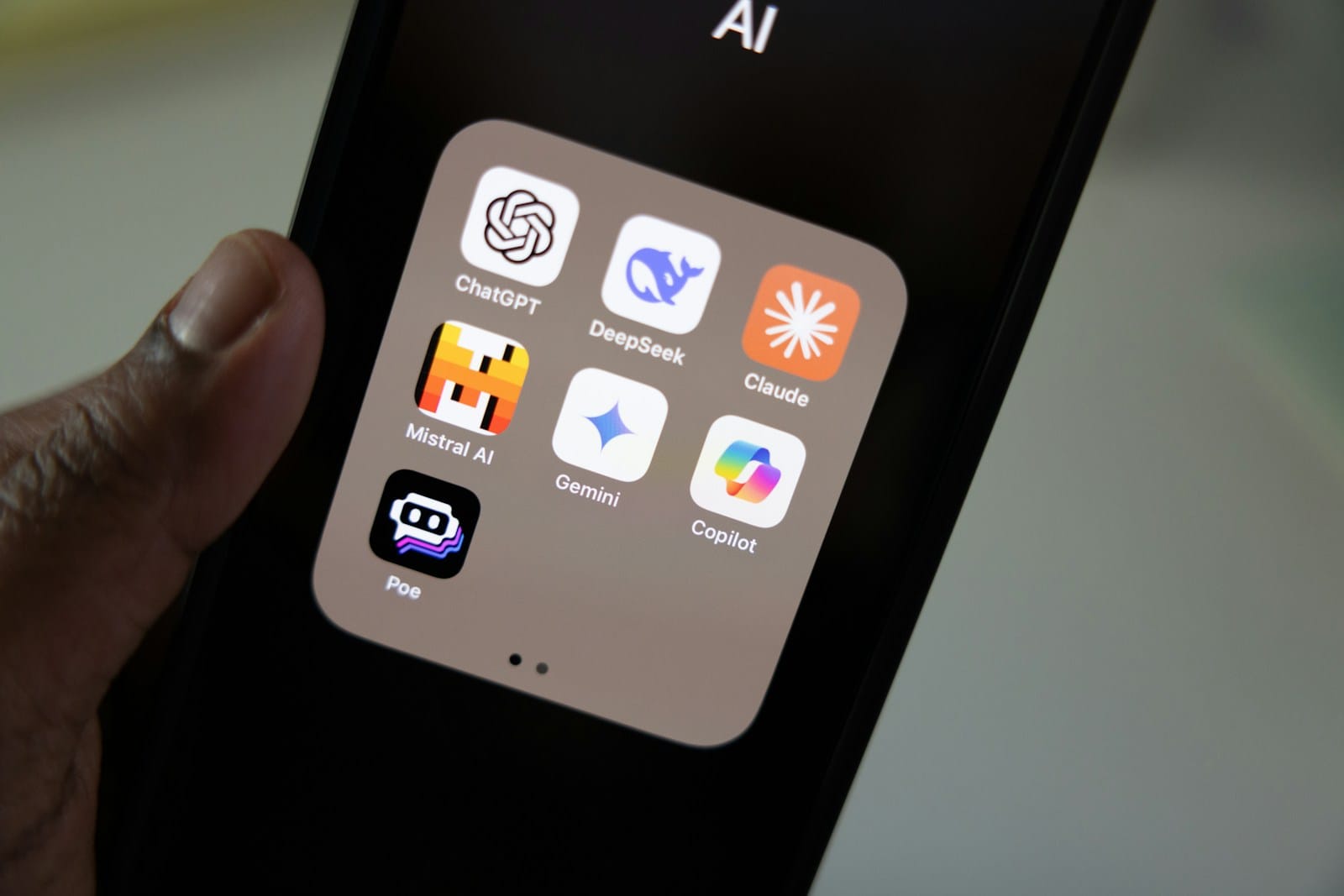
DeepSeek VL enables advanced screenshot understanding by combining vision and language reasoning. This guide explains how it extracts text, interprets UI layouts, analyzes dashboards, and powers automation workflows. Learn implementation strategies, use cases, and best practices for building AI-powered screenshot analysis systems.
The ability for AI systems to interpret screenshots is becoming a foundational capability across modern software products. From debugging applications and automating workflows to analyzing dashboards and extracting structured data, screenshot understanding sits at the intersection of computer vision, natural language processing, and reasoning systems.
DeepSeek VL (Vision-Language) represents a new class of multimodal models designed not just to “see” images, but to understand them contextually, structurally, and semantically. Unlike traditional OCR tools or basic image captioning models, DeepSeek VL is built for reasoning over visual inputs, making it particularly well-suited for interpreting screenshots.
This article provides a comprehensive, technical, and practical exploration of how DeepSeek VL enables screenshot understanding, including architecture, capabilities, use cases, implementation strategies, limitations, and best practices.
DeepSeek VL is a vision-language model that combines image processing with advanced reasoning capabilities. It allows developers to input images (including screenshots) and receive structured or natural language outputs that reflect both visual recognition and logical interpretation.
As noted in existing DeepSeek platform materials, VL models are used in applications like visual product search and UI understanding, where the system goes beyond description into actionable interpretation .
Screenshots are one of the most common forms of unstructured data in modern workflows. They contain:
Traditional systems struggle because they treat screenshots as flat images, missing relationships between elements.
| Challenge | 说明 |
|---|---|
| Mixed content | Text, icons, graphs, and UI elements coexist |
| Spatial relationships | Meaning depends on layout |
| Context dependency | Same text can mean different things depending on UI |
| Dynamic content | Screenshots vary across apps and states |
DeepSeek VL addresses these challenges through multimodal reasoning pipelines, not just image recognition.
The model processes screenshots using a combination of:
This allows the system to understand not just what is present, but how elements relate.
Unlike traditional models, DeepSeek VL maintains spatial awareness:
This is critical for tasks like:
DeepSeek VL integrates with reasoning models (e.g., DeepSeek Logic/Core), enabling:
例如
Input: Screenshot of a failed API request
Output:
This goes far beyond OCR.
DeepSeek VL can return:
Example JSON:
{
  "screen_type": "dashboard",
  "key_metrics": [
    {"name": "Revenue", "value": "$12,430"},
    {"name": "Conversion Rate", "value": "3.2%"}
  ],
  "alerts": ["Traffic drop detected"]
}
DeepSeek VL performs OCR with:
Unlike standard OCR:
The model identifies:
This enables automation workflows such as:
DeepSeek VL can:
例如
“Traffic dropped by 18% compared to last week, mainly from mobile users.”
One of the highest-value use cases:
This is especially powerful for:
DeepSeek VL can interpret multi-step UI flows:
This allows:
Upload a screenshot of:
Output:
Users upload screenshots of issues:
DeepSeek VL:
例如
DeepSeek VL:
Upload analytics dashboards:
For visually impaired users:
| Feature | Traditional OCR | Basic Vision Models | DeepSeek VL |
|---|---|---|---|
| Text extraction | ✅ | ✅ | ✅ |
| Layout understanding | ❌ | ⚠️ | ✅ |
| UI interpretation | ❌ | ⚠️ | ✅ |
| Reasoning | ❌ | ❌ | ✅ |
| Structured output | ❌ | ⚠️ | ✅ |
| Debugging capability | ❌ | ❌ | ✅ |
Supported formats:
Best practices:
Example (Python):
import requests

url = "https://api.deepseek.international/v1/vision"

headers = {
    "Authorization": "Bearer YOUR_API_KEY"
}

files = {
    "image": open("screenshot.png", "rb")
}

data = {
    "prompt": "Analyze this screenshot and identify any errors and key UI elements."
}

response = requests.post(url, headers=headers, files=files, data=data)

print(response.json())
Effective prompts improve results significantly.
Basic:
Advanced:
Some screenshots lack context:
Performance depends on:
Highly specialized UIs may require:
Screenshots may contain:
Best practice:
Combine:
The trajectory of models like DeepSeek VL suggests:
Future improvements may include:
DeepSeek VL represents a significant step forward in multimodal AI. It transforms screenshots from static images into actionable data sources.
Instead of asking:
“What does this image contain?”
You can now ask:
“What does this mean, and what should I do next?”
That shift—from perception to reasoning—is what makes DeepSeek VL particularly powerful for screenshot understanding.
DeepSeek VL is a vision-language model that processes images and text together. It analyzes screenshots by extracting text, identifying UI elements, and applying reasoning to understand context, workflows, and meaning.
Traditional OCR only extracts text, while DeepSeek VL understands layout, relationships between elements, and context. It can interpret dashboards, detect UI components, and provide actionable insights instead of raw text.
Yes, DeepSeek VL can detect and interpret UI components such as buttons, menus, input fields, and modals. This makes it useful for automation, UI testing, and user guidance systems.
Key use cases include developer debugging, customer support automation, dashboard analysis, robotic process automation (RPA), accessibility tools, and QA testing.
DeepSeek VL can be used in near real-time applications depending on latency requirements. Typical response times range from 1.5 to 2.5 seconds, making it suitable for interactive tools and backend automation workflows.