

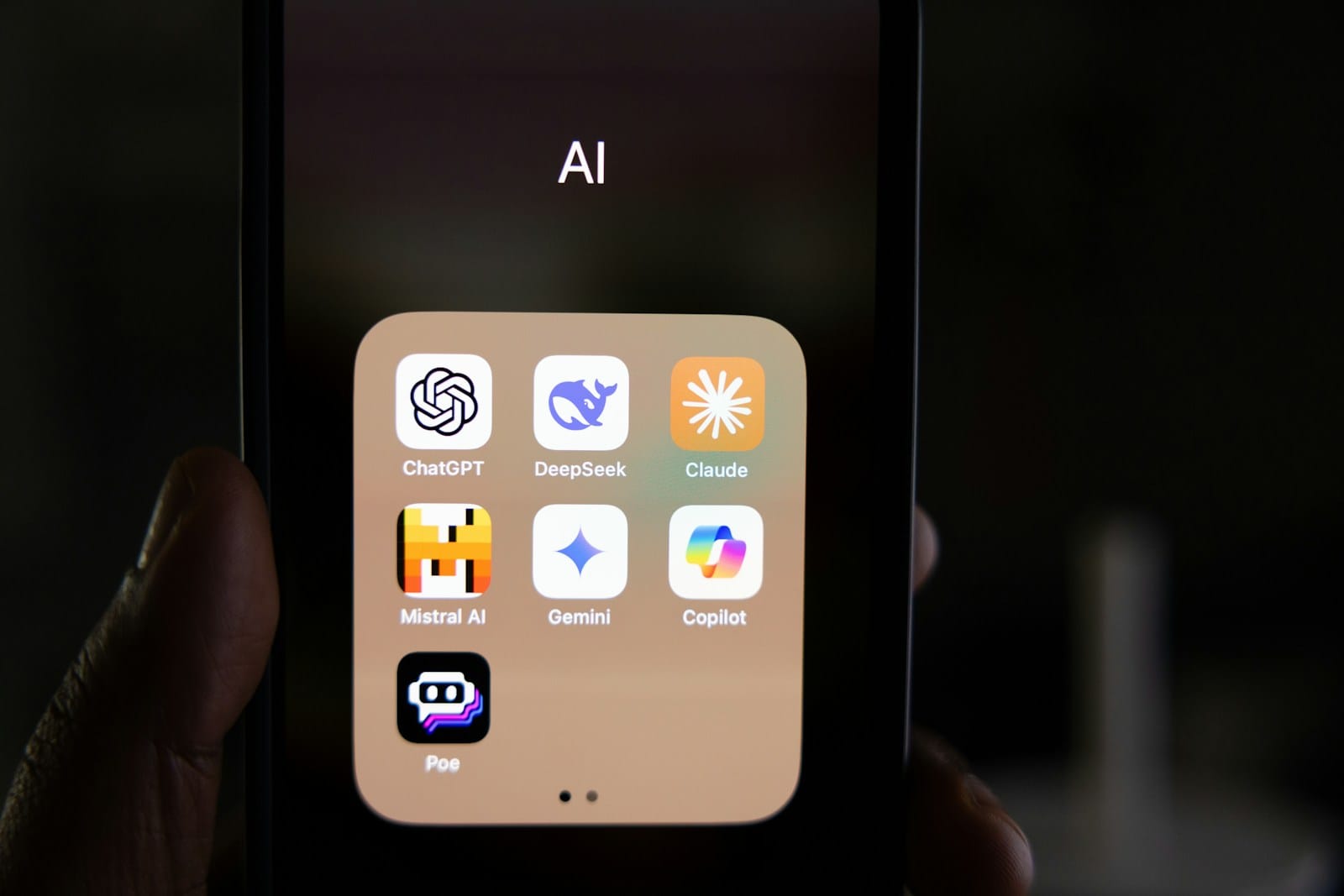
Choosing an AI platform for production is fundamentally different from experimenting in development. Reliability, scalability, cost predictability, and control become critical. The DeepSeek API platform is increasingly positioned as a developer-first, production-ready AI infrastructure, but how well does it actually perform under real-world conditions?
This article evaluates DeepSeek across the key dimensions required for production deployment.
1. What “Production-Ready” Actually Means
Before evaluating DeepSeek, it’s important to define production readiness in the context of AI APIs.
Core Requirements
| Requirement | Why It Matters |
|---|---|
| Reliability | Consistent outputs and uptime |
| Scalability | Ability to handle growing workloads |
| Latency | Fast response times for user-facing apps |
| Cost Control | Predictable pricing at scale |
| Security & Privacy | Safe handling of sensitive data |
| Observability | Monitoring, logging, and debugging |
| Developer Experience | Ease of integration and maintenance |
A platform that fails in any of these areas can become a bottleneck in production systems.
2. Architecture Advantages for Production
DeepSeek’s architecture is designed with production use cases in mind.
Modular, Multi-Model Design
Instead of relying on a single general-purpose model, DeepSeek uses:
- Task-specific models (LLM, Coder, Math, Vision)
- An orchestration layer to route requests intelligently
Why This Matters in Production
- Higher accuracy → fewer retries and lower cost
- Task optimization → better performance per request
- Flexibility → easier to adapt to new use cases
3. Scalability and Throughput
Horizontal Scaling
DeepSeek supports:
- Auto-scaling infrastructure
- Distributed compute workloads
- Regional deployments
This allows applications to scale from:
- MVP-level usage (hundreds of requests/day)
- → Enterprise workloads (millions of requests/day)
Batch and Async Processing
- Batch requests reduce cost per operation
- Async workflows improve throughput for non-real-time tasks
Production Impact
- Handles traffic spikes without manual intervention
- Enables backend-heavy AI pipelines (analytics, automation)
4. Latency and Performance
Latency is critical for user-facing applications like chatbots or copilots.
Observed Characteristics (Generalized)
- Single-step requests → low latency (chat, generation)
- Multi-step reasoning → slightly higher latency due to orchestration
Trade-Off
| Approach | Result |
|---|---|
| Single-model APIs | Faster but less reliable for complex tasks |
| DeepSeek orchestration | Slightly slower but more accurate |
Practical Takeaway
For production apps:
- Use direct endpoints for real-time UX
- Use multi-step pipelines for backend processing
5. Reliability and Output Consistency
One of the biggest production challenges with AI APIs is inconsistent outputs.
DeepSeek’s Approach
- Structured JSON responses
- Reasoning-driven pipelines
- Task-specific models
Benefits
- More predictable outputs
- Easier downstream parsing
- Reduced need for prompt hacks
6. Cost Efficiency at Scale
AI costs can grow exponentially in production.
DeepSeek Cost Advantages
- Competitive per-token pricing (based on public comparisons)
- Efficient routing reduces unnecessary token usage
- Batch processing lowers cost per request
Production Impact
- Lower infrastructure burn for startups
- Better margins for AI SaaS products
Note: Exact pricing varies and should be verified against official documentation.
7. Security, Privacy, and Deployment Options
Deployment Flexibility
DeepSeek supports:
- Cloud-hosted APIs
- Hybrid deployments
- Dedicated instances (enterprise)
Why This Matters
- Sensitive data can be processed in controlled environments
- Easier compliance with regulations (e.g., GDPR)
Additional Features
- API key authentication
- Encryption in transit
- Configurable logging (depending on setup)
8. Developer Experience (DX)
Production success depends heavily on how easy the platform is to use and maintain.
DeepSeek Strengths
- Simple REST endpoints (
/chat,/generate,/analyze) - SDK support (Node.js, Python)
- Structured request/response formats
Example usage pattern aligns with standard API workflows, allowing fast integration into backend systems.
Result
- Faster time-to-production
- Lower maintenance overhead
9. Observability and Debugging
For production systems, visibility is critical.
Available Capabilities
- Request logging
- Error codes (e.g., 401, 429, 500)
- Retry strategies
From integration guides, common API errors include authentication issues and rate limits—both standard and manageable in production systems.
Best Practice
- Implement retry logic
- Monitor latency and error rates
- Use dashboards for usage tracking
10. Real-World Production Use Cases
1. AI SaaS Platforms
- Content generation tools
- Developer copilots
- Research assistants
2. Automation Systems
- Workflow automation
- CRM/email processing
- Report generation
3. Enterprise Applications
- Internal knowledge assistants
- Data analysis pipelines
- Customer support systems
11. Limitations to Consider
No platform is perfect. DeepSeek has trade-offs that teams should evaluate.
| Limitation | Impact |
|---|---|
| Multi-model complexity | Requires architectural planning |
| Latency in chained tasks | May affect real-time UX |
| Evolving ecosystem | Some features may change over time |
Mitigation
- Start with simple endpoints
- Optimize routing gradually
- Use caching where possible
12. When DeepSeek Is a Strong Production Choice
DeepSeek is particularly well-suited for:
- Logic-heavy applications (analytics, reasoning, automation)
- Developer tools (code generation, debugging)
- Scalable AI SaaS products
- Privacy-sensitive environments
13. When It Might Not Be Ideal
Consider alternatives if you need:
- Ultra-low latency single-pass generation only
- Minimal architecture complexity
- Purely creative or non-structured outputs
14. Final Verdict
Yes — the DeepSeek API platform is suitable for production applications, especially for teams building:
- Complex, reasoning-driven systems
- Scalable AI backends
- Developer-focused tools
Summary
| Category | Verdict |
|---|---|
| Scalability | ✅ Strong |
| Performance | ✅ Competitive |
| Reliability | ✅ High (structured outputs) |
| Cost Efficiency | ✅ Favorable |
| Developer Experience | ✅ Excellent |
| Production Readiness | ✅ Yes |
DeepSeek’s architecture and feature set make it less of a “plug-and-play AI tool” and more of a true AI infrastructure layer—which is exactly what production systems require.
FAQ: DeepSeek API Platform for Production Apps
1. Is the DeepSeek API stable enough for production environments?
Yes. DeepSeek is designed with production-grade infrastructure, including rate limiting, error handling, and scalable endpoints. Its structured APIs and consistent response formats make it suitable for stable, long-running applications.
2. How does DeepSeek handle scaling for high-traffic applications?
DeepSeek supports auto-scaling, distributed compute, and batch processing, allowing applications to handle increasing workloads efficiently—from small deployments to enterprise-scale systems.
3. What types of production apps benefit most from DeepSeek?
DeepSeek is particularly effective for:
- AI SaaS platforms
- Automation and workflow systems
- Developer tools (coding assistants, analyzers)
- Data-heavy and reasoning-based applications
4. Are there any latency concerns when using DeepSeek in production?
Latency is generally low for single-step requests, but multi-step reasoning workflows may introduce slight delays. This trade-off often results in higher accuracy, making it suitable for backend processing or high-value tasks.
5. What should developers consider before deploying DeepSeek to production?
Developers should plan for:
- Proper endpoint selection (chat vs analyze vs reason)
- Retry and error handling strategies
- Cost monitoring and optimization
- Caching and batching where applicable