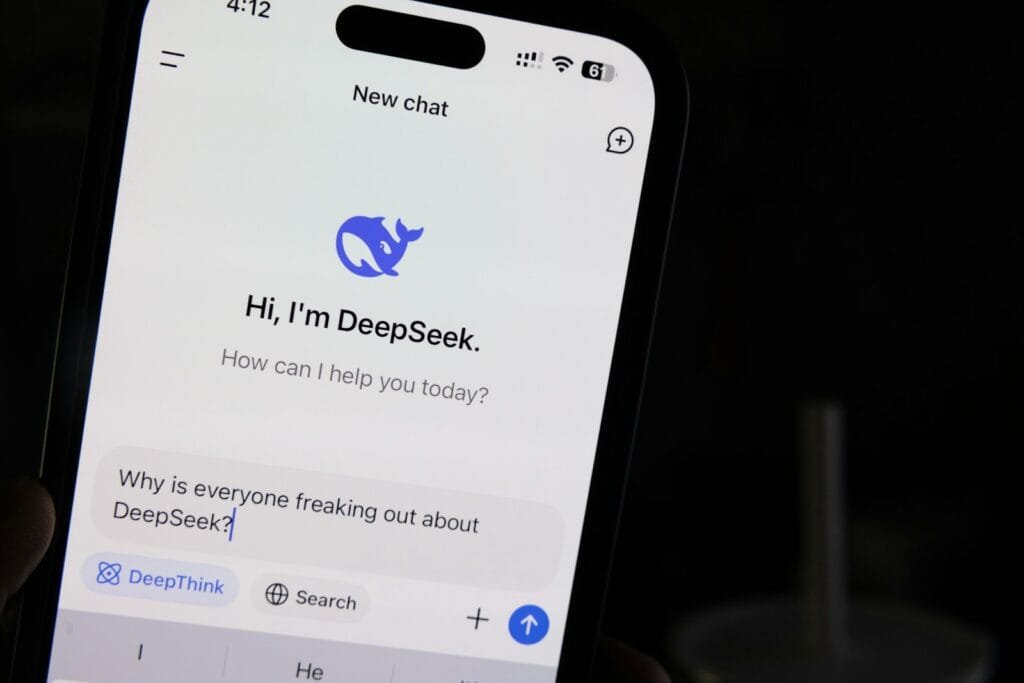
AI APIs are no longer just tools for generating text. They are becoming the backbone of modern applications, powering everything from automation systems to full-scale SaaS products.
The DeepSeek API Platform, developed by DeepSeek, gives developers access to models capable of reasoning, coding, and long-context processing.
But the real question is:
What can you actually build with it?
This guide answers that with 25 real, practical examples across industries and use cases.
Before jumping into examples, here’s why developers are using it:
- strong reasoning capabilities
- long-context processing
- flexible API integration
- support for automation workflows
- scalability for production apps
Translation: it’s not just for demos. You can build real products.
25 Real Examples You Can Build
1. AI Customer Support Chatbot
Build a chatbot that:
- answers FAQs
- resolves issues
- guides users
2. Internal Knowledge Assistant
Create a system that:
- searches company documents
- answers employee questions
- summarizes internal data
3. AI-Powered Content Generator
Generate:
- blog posts
- product descriptions
- marketing copy
Develop a coding assistant for:
- generating code
- debugging
- explaining logic
Upload large files and get:
- summaries
- key insights
- action points
6. AI Research Assistant
Analyze:
Then generate structured insights.
7. Automated Email Writer
Generate:
- professional emails
- replies
- follow-ups
8. AI Resume Builder
Help users create:
- resumes
- cover letters
- career summaries
9. Data Analysis Assistant
Analyze structured data and:
- identify trends
- generate reports
- recommend actions
10. AI Sales Assistant
Support sales teams by:
- generating pitches
- analyzing leads
- writing follow-ups
11. AI Agent for Task Automation
Build agents that:
- interpret goals
- execute tasks
- automate workflows
12. FAQ Generator
Automatically create FAQs from:
- documents
- product pages
- knowledge bases
13. AI Tutor
Build an educational assistant that:
- explains concepts
- answers questions
- guides learning
14. Legal Document Analyzer
Analyze contracts to:
- extract clauses
- identify risks
- summarize terms
15. Financial Report Analyzer
Process reports to:
- identify trends
- highlight risks
- generate insights
16. AI Meeting Assistant
Summarize meetings into:
- notes
- action items
- summaries
17. Customer Feedback Analyzer
Analyze reviews to:
- identify patterns
- detect sentiment
- generate insights
Translate and adapt content across languages.
19. Product Recommendation Engine
Suggest products based on:
- user behavior
- preferences
- history
20. AI Documentation Generator
Automatically generate:
- API docs
- user guides
- technical documentation
21. Knowledge Graph Builder
Organize data into structured relationships.
22. AI Writing Editor
Improve content by:
- correcting grammar
- enhancing clarity
- rewriting text
23. AI Workflow Automation System
Automate processes such as:
- data processing
- reporting
- task execution
24. AI Chat Interface for Apps
Embed AI chat into:
- websites
- SaaS tools
- mobile apps
25. Decision Support System
Help businesses:
- analyze data
- evaluate options
- make decisions
Key Patterns Across These Examples
If you look closely, all these applications rely on:
1. Reasoning
AI must understand and analyze information.
2. Context Handling
Processing large inputs improves output quality.
3. Automation
Reducing manual effort is the main value driver.
4. Integration
APIs allow embedding AI into real systems.
How to Choose What to Build
Instead of building random tools, focus on:
High-Value Problems
- repetitive tasks
- data-heavy workflows
- decision-making processes
Scalable Use Cases
- SaaS products
- enterprise tools
- automation systems
Market Demand
- customer support
- content generation
- analytics
Common Mistakes to Avoid
Building Without a Real Problem
AI is not a business model by itself.
Ignoring Costs
API usage can scale quickly.
Overestimating Accuracy
AI outputs must be validated.
Poor Prompt Design
Bad prompts = bad results.
Best Practices for Builders
Start Small
Build a simple MVP first.
Validate Use Cases
Test with real users.
Optimize Prompts
Improve performance and reduce cost.
Track:
Final Thoughts
The DeepSeek API Platform is not just a tool. It is a foundation for building AI-powered applications.
From chatbots to enterprise systems, the range of possible products is wide.
The real challenge is not what you can build.
It’s what you should build.
FAQs
1. What can you build with DeepSeek API?
Chatbots, automation tools, AI agents, and more.
2. Is DeepSeek good for developers?
Yes.
3. Can I build SaaS products?
Yes.
4. Does it support automation?
Yes.
5. Can it analyze documents?
Yes.
6. Is it good for startups?
Yes.
7. Can it generate code?
Yes.
8. Does it support AI agents?
Yes.
9. Can I build chatbots?
Yes.
10. Is it scalable?
Yes.
11. Can it process long documents?
Yes.
12. Can it analyze data?
Yes.
13. Does it support APIs?
Yes.
14. Can I build mobile apps?
Yes.
15. Is it cost-effective?
Depends on usage.
16. Can it replace manual tasks?
Yes.
17. Can it generate content?
Yes.
18. Is it beginner-friendly?
Moderately.
Yes.
20. Does it support integrations?
Yes.
21. Can it summarize meetings?
Yes.
22. Can it analyze feedback?
Yes.
23. Is it fast?
Generally.
24. Can it handle workflows?
Yes.
25. Can I build recommendation systems?
Yes.
26. Can it improve productivity?
Yes.
27. Can it generate reports?
Yes.
28. Is it reliable?
With monitoring.
29. Can it scale?
Yes.
30. Is DeepSeek worth using?
Often, yes.