Newsletter Subscribe
Enter your email address below and subscribe to our newsletter
Deepseek AI
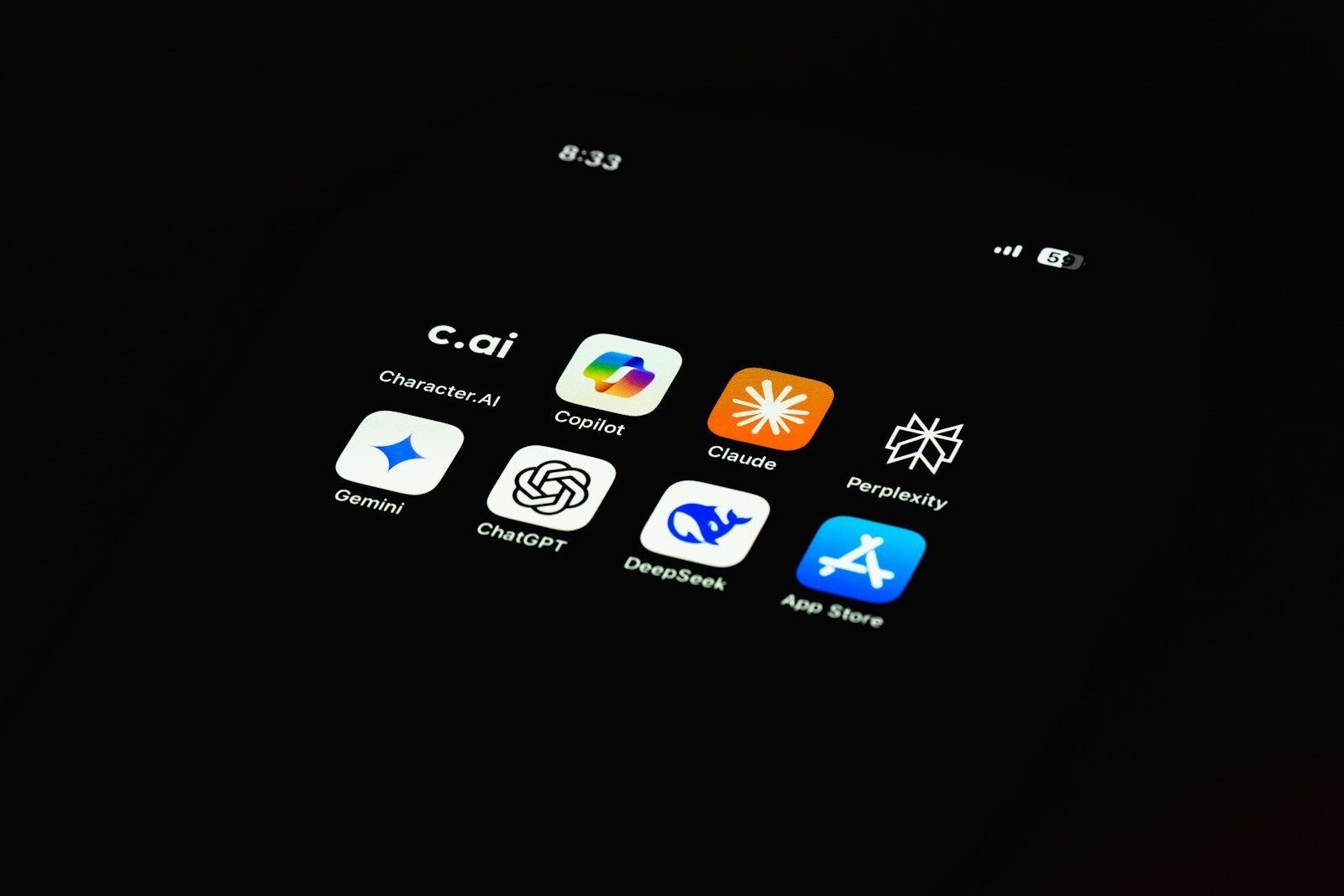
As of now, the DeepSeek API is generally operational. However, users may occasionally experience slow response times, rate limits, or temporary outages during peak demand.
To check real-time status, visit the official DeepSeek status page:
https://status.deepseek.com
The DeepSeek API powers large language models such as DeepSeek V3 and DeepSeek R1. Due to high global demand, its availability can fluctuate depending on infrastructure load and usage spikes.
Even when marked “operational,” users may still encounter:
If you’re wondering whether DeepSeek is down right now, follow these steps:
Search Reddit, GitHub, or X for real-time outage reports.
Occurs when too many requests are sent in a short time.
Fix:
Usually caused by backend failures.
Fix:
Requests take too long and fail.
Fix:
Occurs due to invalid API keys.
Fix:
Sudden spikes overload servers.
AI models require massive compute resources.
New updates can introduce instability.
DDoS and malicious traffic affect uptime.
Hardware or routing issues disrupt service.
Follow this troubleshooting checklist:
Always confirm if the issue is global.
Use a minimal prompt to isolate errors.
Lower concurrency and token usage.
Implement exponential backoff.
Try alternative endpoints if available.
Test with VPN or different region.
DeepSeek maintains competitive uptime compared to other AI providers.
| Platform | Reliability | Notes |
|---|---|---|
| DeepSeek | High | Occasional scaling issues |
| OpenAI | Very High | Stable but expensive |
| Anthropic | High | Capacity limits |
| Very High | Complex ecosystem |
To avoid downtime impact:
Integrate multiple providers.
Reduce repeated API calls.
Track latency and error rates.
Optimize token usage.
Control request flow during spikes.
DeepSeek API is usually operational, but occasional slowdowns or outages can occur.
Visit https://status.deepseek.com or use third-party monitoring tools.
High traffic, large prompts, or infrastructure limits can cause latency.
Common causes include traffic spikes, GPU limits, bugs, and cyberattacks.
Use retries, reduce load, check API keys, and monitor status updates.
Yes, it maintains around 99% uptime, though occasional incidents occur.
The DeepSeek API is not consistently down, but like any high-demand AI platform, it experiences occasional performance issues and outages.
For developers, the best strategy is to assume downtime can happen and build systems that handle it gracefully.