Newsletter Subscribe
Enter your email address below and subscribe to our newsletter
Deepseek AI
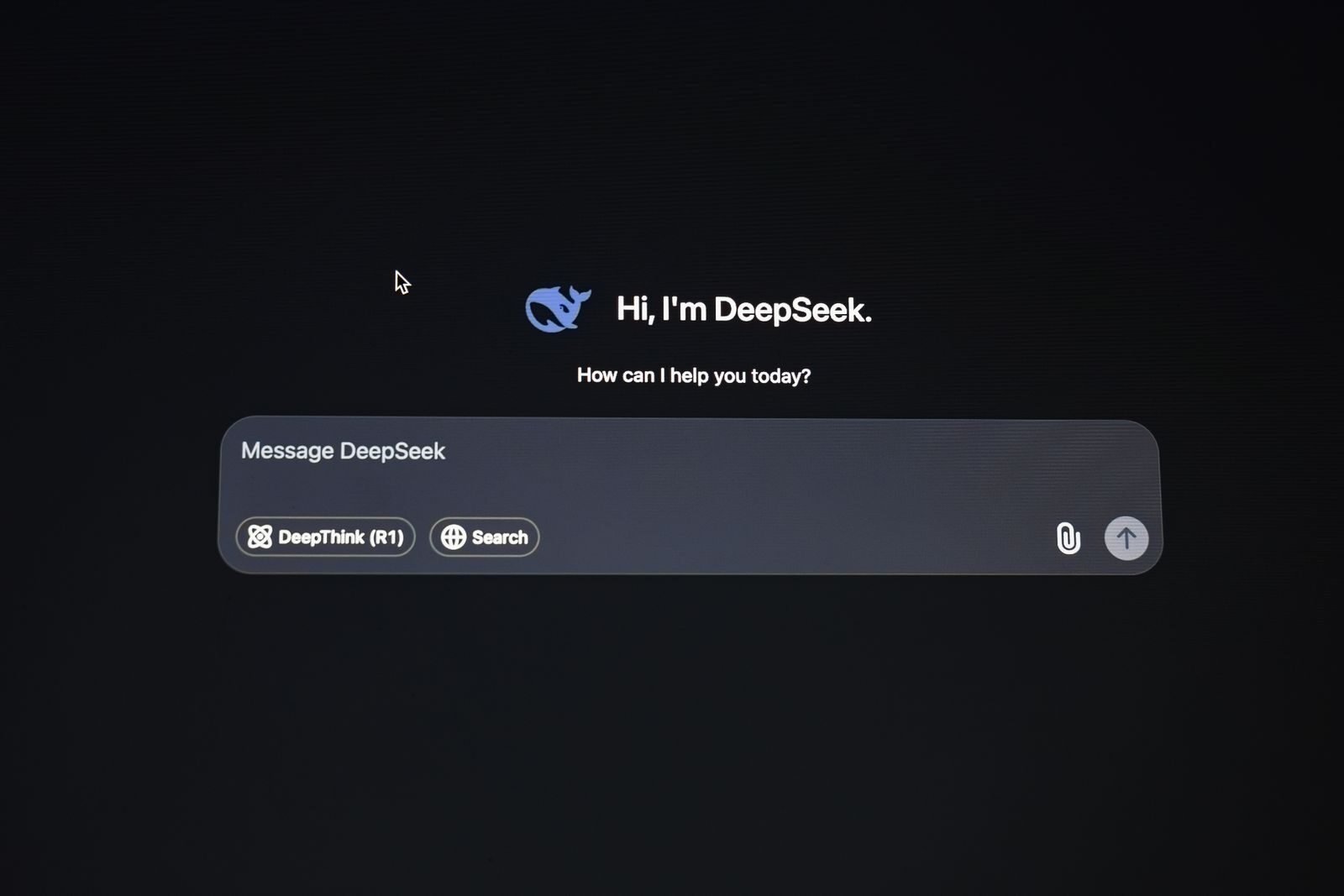
Understanding the DeepSeek Service Status Page Explained for Developers is essential for anyone building applications that rely on AI APIs. A service status page provides real-time insights into system health, helping developers detect issues, minimize downtime, and maintain a smooth user experience.
As AI platforms grow in complexity, tools like the status page become a critical part of your development workflow.
The DeepSeek status page is a public dashboard that displays the operational status of its services, APIs, and infrastructure. It informs developers whether systems are running normally or experiencing issues.
Status pages are more than just dashboards—they are essential for:
Without a status page, developers would struggle to determine whether errors originate from their code or the external service.
Typical metrics include:
DeepSeek provides advanced AI models and APIs used for tasks like natural language processing, coding assistance, and automation.
A typical status page includes multiple sections that provide detailed insights.
These show whether services are:
Incident reports detail:
Scheduled maintenance alerts inform developers about planned downtime, allowing them to prepare in advance.
Understanding the meaning behind status indicators is crucial.
Keeping track of API performance ensures your app runs smoothly.
Latency refers to how quickly the API responds. High latency can impact user experience.
Monitoring error rates helps identify issues such as:
When something goes wrong, a structured response is essential.
Developers can receive alerts through:
The resolution process typically includes:
Automation helps you stay informed without manual checks.
Subscribe to updates to receive alerts directly in your inbox.
Advanced users can integrate webhooks or RSS feeds into their monitoring systems for real-time updates.
To minimize disruptions:
Implement automatic retries for failed API calls.
Use tools like Datadog or New Relic for better insights.
Understanding how DeepSeek compares with other platforms can provide context.
Amazon Web Services offers a detailed status page covering multiple regions and services.
OpenAI provides real-time updates for its AI services and APIs.
Developers may encounter:
Always check the status page before debugging your application.
Status pages also reflect the platform’s commitment to transparency and reliability, helping developers build trust with their users.
It provides real-time updates on system performance and outages.
Usually in real-time or during incidents.
Yes, using webhooks, RSS feeds, or monitoring tools.
Pause dependent operations and monitor updates.
Yes, most pages include incident history.
It is typically accurate and maintained by the service provider.
Mastering DeepSeek Service Status Page Explained for Developers allows you to build more reliable and resilient applications. By understanding how to read status indicators, monitor APIs, and respond to incidents, you can reduce downtime and improve user experience.
In today’s API-driven world, staying informed isn’t optional—it’s essential.