Newsletter Subscribe
Enter your email address below and subscribe to our newsletter
Deepseek AI
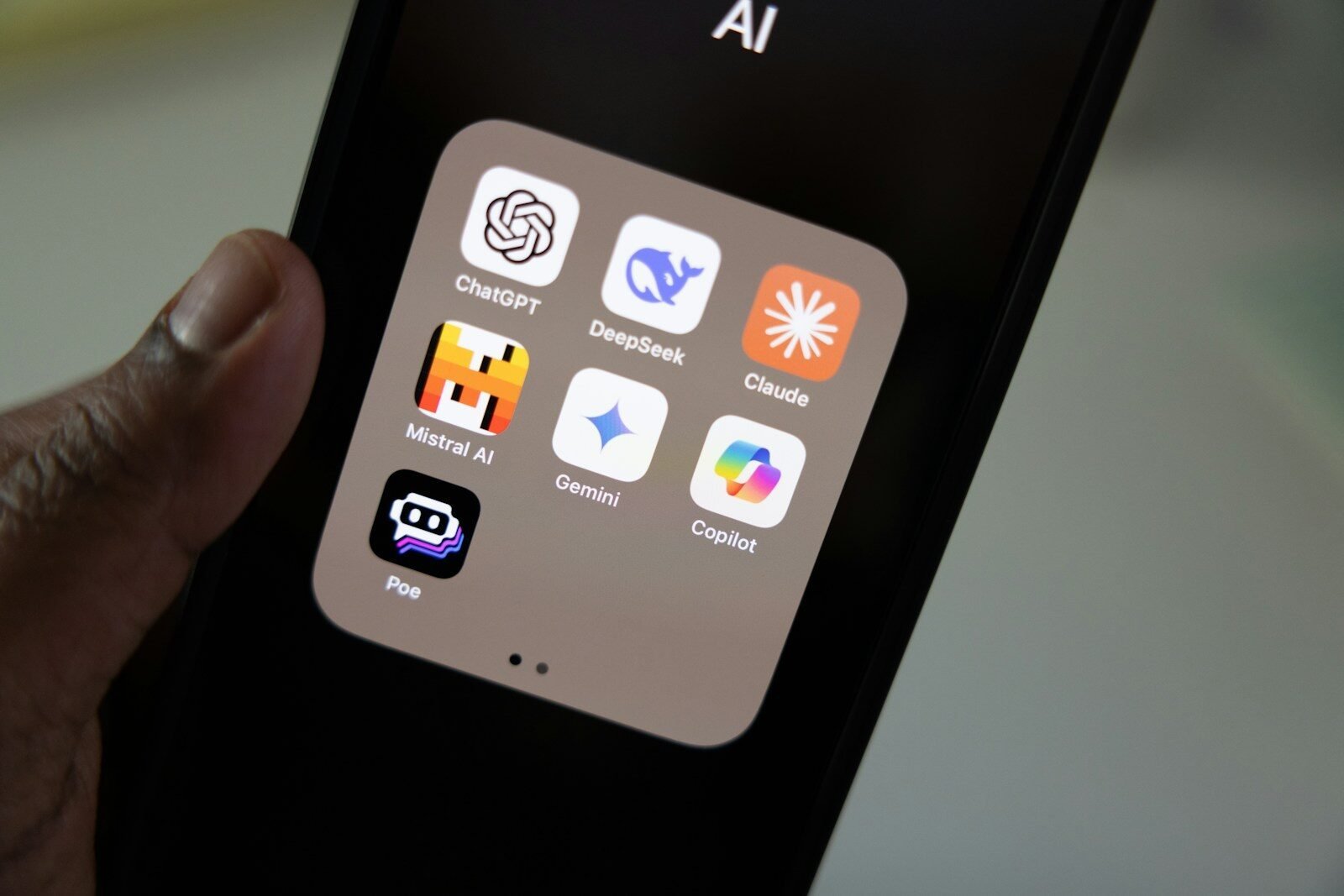
Should you rely on DeepSeek every day? This in-depth guide explores the advantages, risks, and practical strategies for integrating AI into your daily workflow.
Using an AI app daily sounds like peak productivity. In reality, it can either make you more efficient… or slowly turn your brain into a suggestion-dependent machine.
DeepSeek sits right in that uncomfortable middle.
Used properly, it becomes a powerful daily assistant that saves time, reduces effort, and improves output. Used poorly, it becomes a crutch that replaces thinking instead of enhancing it.
So the real question isn’t just “Should you use DeepSeek daily?”
It’s: How do you use it without becoming dependent on it?
Daily usage isn’t about asking random questions.
It involves:
The difference determines whether AI helps or harms productivity.
DeepSeek can reduce hours of work into minutes by:
You can produce:
DeepSeek helps analyze:
Daily use improves:
AI reduces friction in daily tasks.
Relying too much on AI can reduce:
AI is not always correct.
Blind trust can lead to:
Heavy reliance may:
AI may not fully understand:
Sharing sensitive information carries risks.
7 Hidden Features in the DeepSeek App You Need to Try Right Now
May become overly dependent.
Require human judgment.
Maintain control over decisions.
Always double-check critical information.
Use AI to enhance—not replace—your reasoning.
Avoid using AI for every small task.
Define when to use AI.
Focus on high-value tasks.
Don’t accept answers blindly.
A Beginner’s Guide to Mastering the DeepSeek App’s Best Features
AI will become more integrated into daily life.
Users will need to balance:
Yes, you can use DeepSeek daily.
But whether you should depends on how you use it.
Use it as a tool, not a substitute for thinking.
That’s the difference between productivity and dependency.
“I Replaced My Personal Assistant with the DeepSeek App for a Week—Here’s What Happened”
Yes, if used responsibly.
Only if you rely on it too much.
Yes, significantly.
Yes, with proper guidance.
Over-dependence.