Newsletter Subscribe
Enter your email address below and subscribe to our newsletter
Deepseek AI
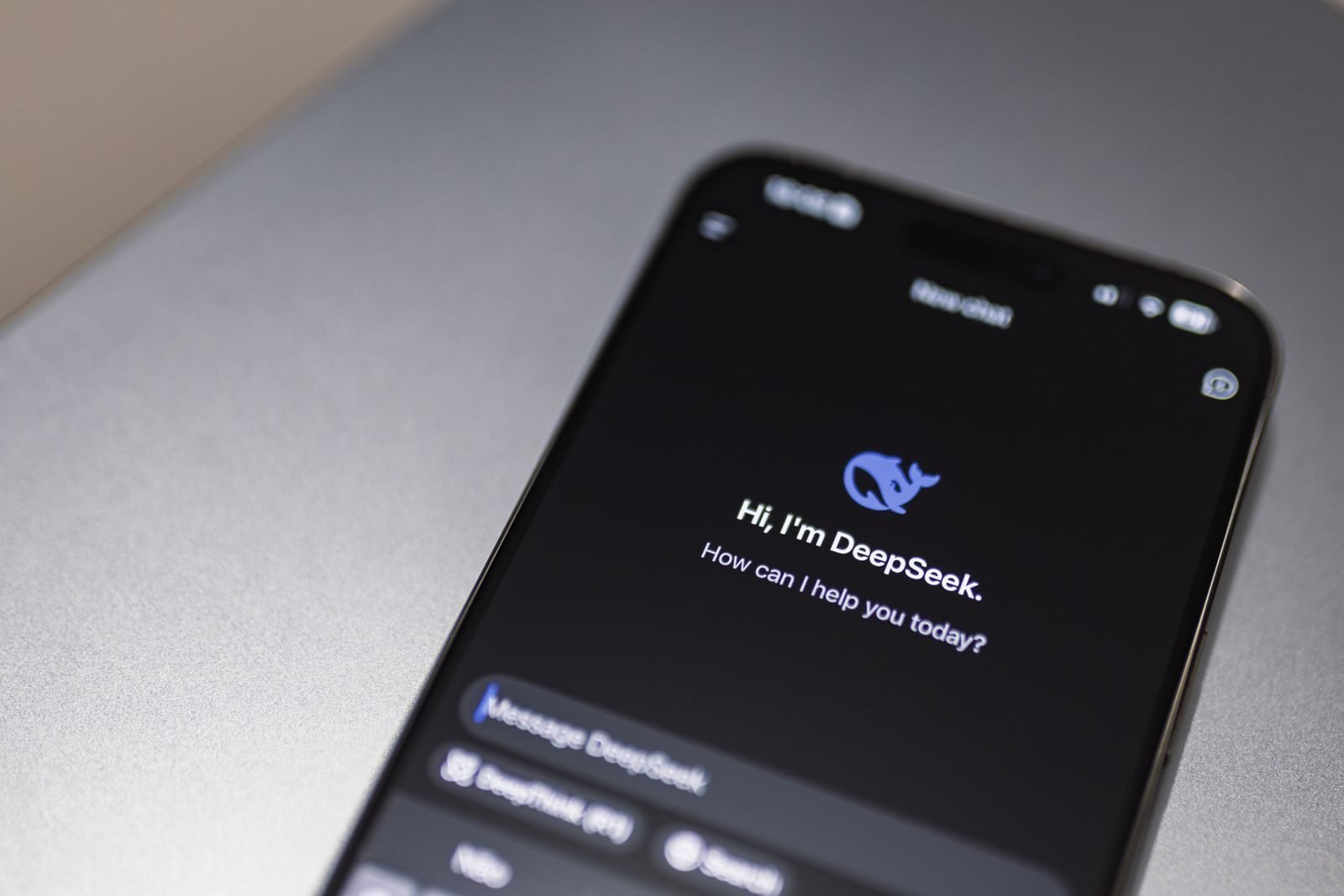
This comprehensive guide explores how power users can maximize the DeepSeek app through advanced prompting, workflow automation, performance tuning, and real-world use cases.
Most people use AI tools like they use a calculator: simple inputs, quick outputs, and zero curiosity about what’s actually possible.
Power users do the opposite.
They treat AI like a programmable system—something you can shape, optimize, and integrate into complex workflows. If you’re still typing one-line prompts and hoping for magic, you’re leaving most of DeepSeek’s capabilities unused.
What Is the DeepSeek App and How Does It Work?
This guide is for people who want more than basic answers. It’s for those who want speed, control, automation, and consistency.
7 Hidden Features in the DeepSeek App You Need to Try Right Now
Before optimizing anything, you need to understand what DeepSeek is good at.
DeepSeek excels at logical problem-solving and structured thinking.
“I Replaced My Personal Assistant with the DeepSeek App for a Week—Here’s What Happened”
It performs well in generating and debugging code.
Strong at organizing information into clear formats.
If you’re still writing prompts like “write an article,” you’re basically asking for disappointment.
Example:
Break tasks into steps to improve reasoning.
Provide examples to guide output style.
Handle multiple tasks in one session.
Break complex tasks into smaller reusable prompts.
Create reusable prompt templates for recurring tasks.
A Beginner’s Guide to Mastering the DeepSeek App’s Best Features
Speed matters.
Integrate DeepSeek with other tools.
Maintain a collection of high-performing prompts.
Use DeepSeek’s API for automation.
Connect with tools like Zapier or Make.
Automate repetitive queries.
Generate blogs, scripts, and marketing content.
Debug, generate, and optimize code.
Summarize and interpret datasets.
Streamline operations and workflows.
Chain multiple prompts for complex outputs.
Assign roles to guide responses.
Limit output scope for precision.
Long-term context retention.
Text, voice, and visual inputs.
AI handling tasks independently.
A power user leverages advanced prompting, automation, and workflow optimization.
It can automate many tasks but still requires human oversight.
Not always, but it helps for advanced use.
Use structured prompts and provide context.
Yes, through APIs and workflow tools.
DeepSeek is more than a chatbot—it’s a tool that can be optimized, automated, and integrated into powerful workflows.
The difference between a casual user and a power user isn’t access to features. It’s how those features are used.
If you invest time in learning advanced techniques, you can turn DeepSeek into a productivity engine that saves time, improves output quality, and scales your work.
Otherwise, it remains just another chat box.